USMNT’s Defeat to Türkiye Has a Silver Lining
FilmiTalk Take
This friendly loss is less about the result and more about the squad intelligence Pochettino is quietly building ahead of a home World Cup that America desperately wants to make its own.
Losing is never fun, but sometimes the most useful football education arrives wrapped in a defeat — and for the USMNT, a narrow 3-2 loss to Türkiye in a pre-tournament friendly is exactly the kind of painful classroom session that can shape a World Cup campaign.
With the 2026 FIFA World Cup being held on home soil across the United States, Canada and Mexico, the pressure on the USMNT is unlike anything this generation of American players has ever faced. Hosting a World Cup is one thing. Hosting it while your own fans are watching from the stands, flags painted, jerseys on, hearts wide open — that is something else entirely. Every result between now and the tournament will be scrutinised, and every squad selection will spark debate. That is the reality Mauricio Pochettino signed up for.
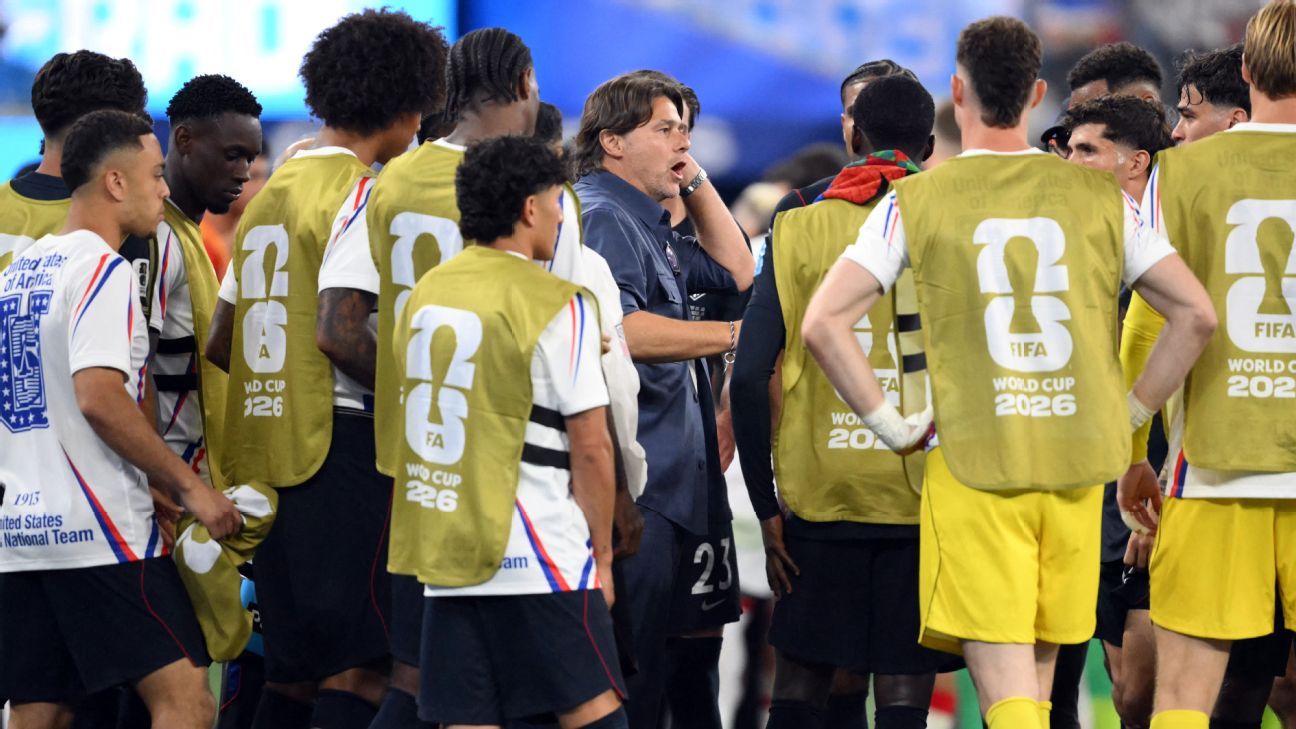
What makes this particular result interesting is not the scoreline itself, but what it revealed about the squad’s depth. Pochettino reportedly used the match as an opportunity to assess his second-string options — the players who will not start every game but who could prove decisive when fatigue, injury or tactical shifts demand a change. In a 48-team World Cup played at intense pace, squad depth is not a luxury. It is a survival tool. The players who performed against Türkiye, whether they impressed or struggled, have handed the coaching staff live data that no training session can replicate.
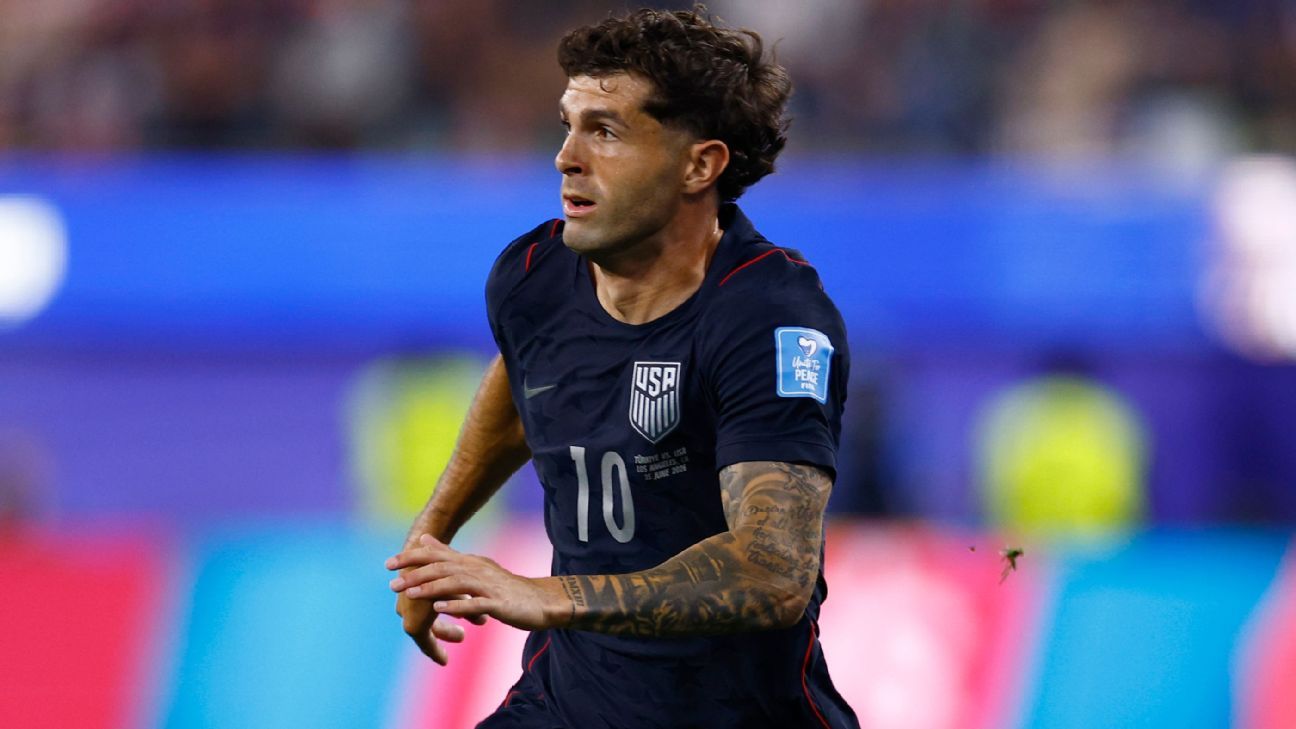
For the South Asian diaspora communities across the UK, USA, Canada and Australia who have adopted the USMNT as their tournament team — or who simply enjoy watching the chaos and ambition of a young American side trying to prove itself on the world stage — this kind of match matters more than the headlines suggest. Fan culture around the USMNT has grown dramatically over the past decade, fuelled partly by the rise of MLS, partly by players like Christian Pulisic becoming genuine global names, and partly by the sheer excitement of a home World Cup on the horizon. These supporters do not just want results. They want to believe the team is being built properly.
Pochettino brings serious pedigree to this role. His work at Tottenham, PSG and Chelsea showed a manager who understands how to build attacking identity and get the best from younger talent. But international management is a different beast — fewer training sessions, tighter windows, and the weight of national expectation sitting heavily on every decision. A loss to Türkiye will not define his tenure, but how the squad responds to the lessons from it very well might.
The USMNT’s World Cup journey in 2026 will be one of the most watched stories in global football — not just because of the host nation angle, but because this is a team genuinely capable of surprising people. They have pace, creativity and a growing belief that they belong at the top table. A defeat in a friendly, used wisely, can actually accelerate that belief rather than damage it. The question is whether Pochettino and his staff extract maximum value from what they witnessed.
So here is what we want to know from FilmiTalk readers — do you think hosting the World Cup at home is an advantage for the USMNT, or does the pressure of playing in front of their own nation make the challenge even harder?