USMNT’s Secret Weapon? A Locker Room Full of Leaders
FilmiTalk Take
The USMNT's distributed leadership model is quietly becoming one of the most interesting team-building stories of World Cup 2026 — and if it holds under knockout pressure, it could redefine how fans and pundits see American football for a generation.
Leadership is the currency that separates tournament teams from tourist teams, and right now the USMNT appears to be rich in it.
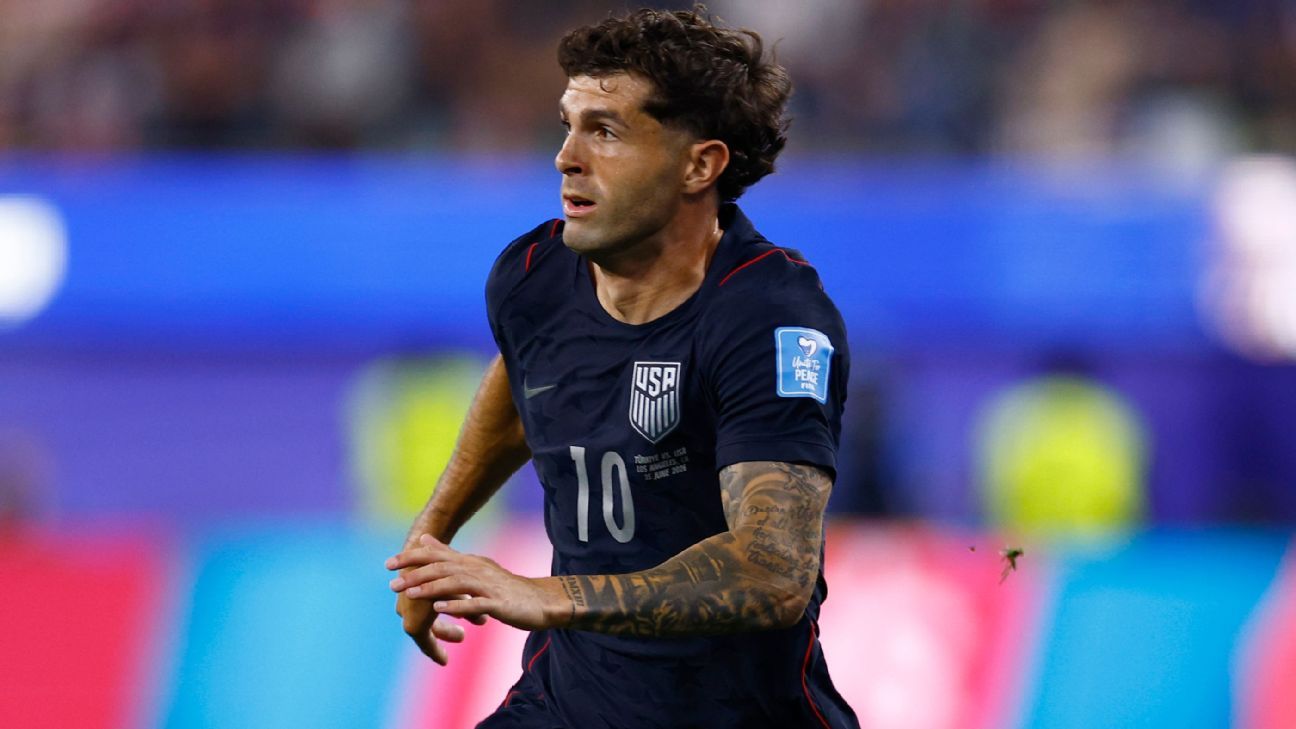
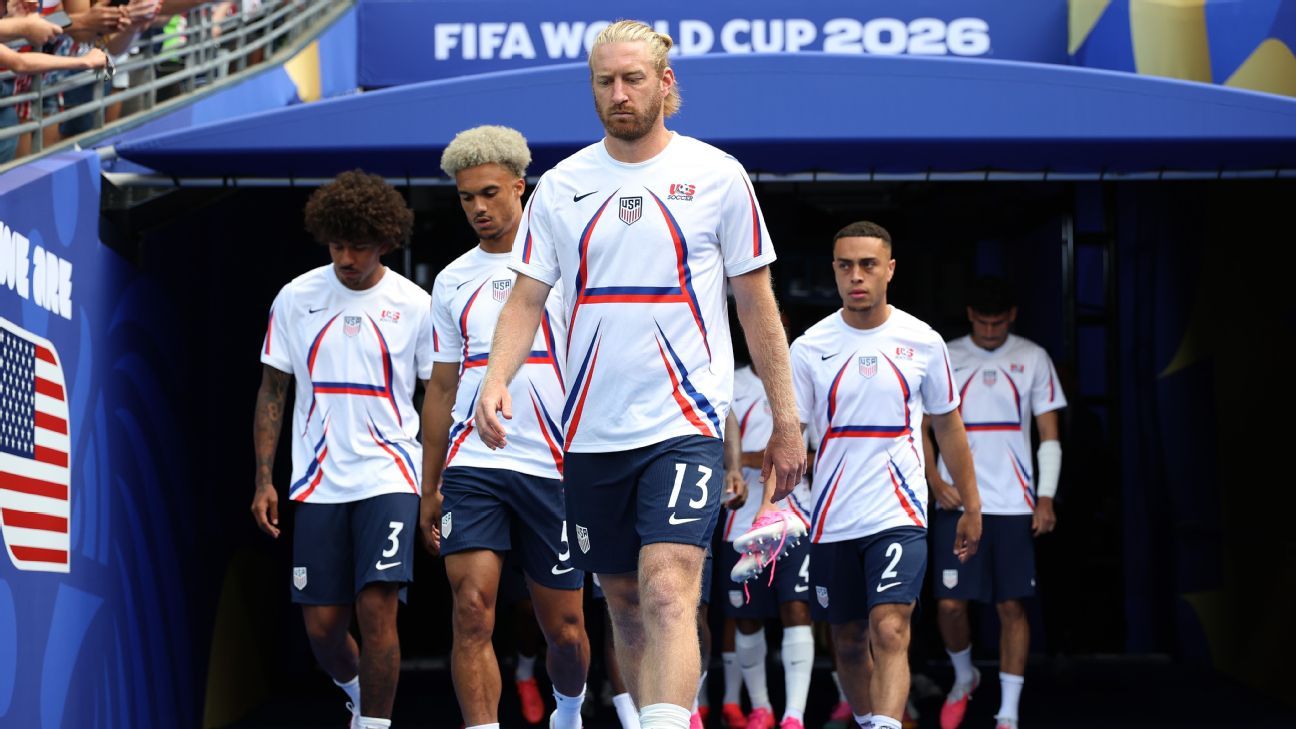
As the FIFA World Cup 2026 knockout rounds loom large, one of the quietly compelling stories around the United States men’s national team is not just who is on the roster — but the kind of human beings that roster contains. By all accounts, this is not a squad built around one captain’s armband or a single personality dominating the dressing room. Instead, it is a collective of leaders, each bringing a different energy, a different voice, a different way of pulling teammates through the hard moments that knockout football always delivers.
For a tournament being co-hosted on American soil, the stakes could not feel more personal. Playing at home in a World Cup is one of the most electric and pressure-filled experiences in football. The crowd is yours, the expectation is enormous, and the margin for error shrinks with every passing round. In environments like that, teams that rely on one figurehead tend to crumble when that figure has a bad day. Teams with distributed leadership — where someone always steps up — tend to find a way through.
For the South Asian diaspora watching from Sydney, Birmingham, Toronto, Karachi or Mumbai, the USMNT has become an increasingly watchable side precisely because of this evolution. This is no longer the American team of stereotypes — all athleticism and no football intelligence. This is a group shaped by players who grew up in elite European academies, who have played Champions League football, who understand what it means to perform in hostile, high-pressure atmospheres. The leadership culture in the squad reflects that maturity.
Fan communities across North America have been buzzing about this shift in the team’s identity. On social media, supporters who once quietly hoped the US would just be competitive are now genuinely debating how far this team can go. That kind of belief does not come from results alone — it comes from watching a group carry themselves with composure and collective purpose, even when things get difficult.
There is also something culturally significant about the variety of leadership styles within the squad. Different temperaments — the vocal motivator, the quietly consistent performer, the experienced voice that calms panic — reflect a team that has learned to read situations rather than default to one mode. In knockout football, that adaptability is everything. Tactics can be copied, fitness can be matched, but a dressing room that knows how to lead itself through adversity is genuinely hard to replicate.
The World Cup knockout stage is where reputations are made and where fairy tales either ignite or collapse. For the USMNT, the presence of multiple leaders across that roster is not a soft, feel-good story — it is a genuine competitive advantage. Teams that know who to turn to in every type of moment, on and off the pitch, tend to go further than those scrambling to find their voice when the pressure peaks.
So here is the question worth putting to every football fan reading this — do you think a squad full of leaders is more dangerous in a tournament than one built around a single superstar, and can the USMNT’s collective mentality take them all the way at their home World Cup?