England Top Group L But Leave Fans Searching for More
FilmiTalk Take
England topped their group but the performance raised more questions than it answered, and for a fanbase that dreams big every four years, uninspiring football in the group stage is never just a footnote.
Getting the job done and doing it with style are two very different things, and England have once again reminded the world which version of themselves they default to when the pressure is real.
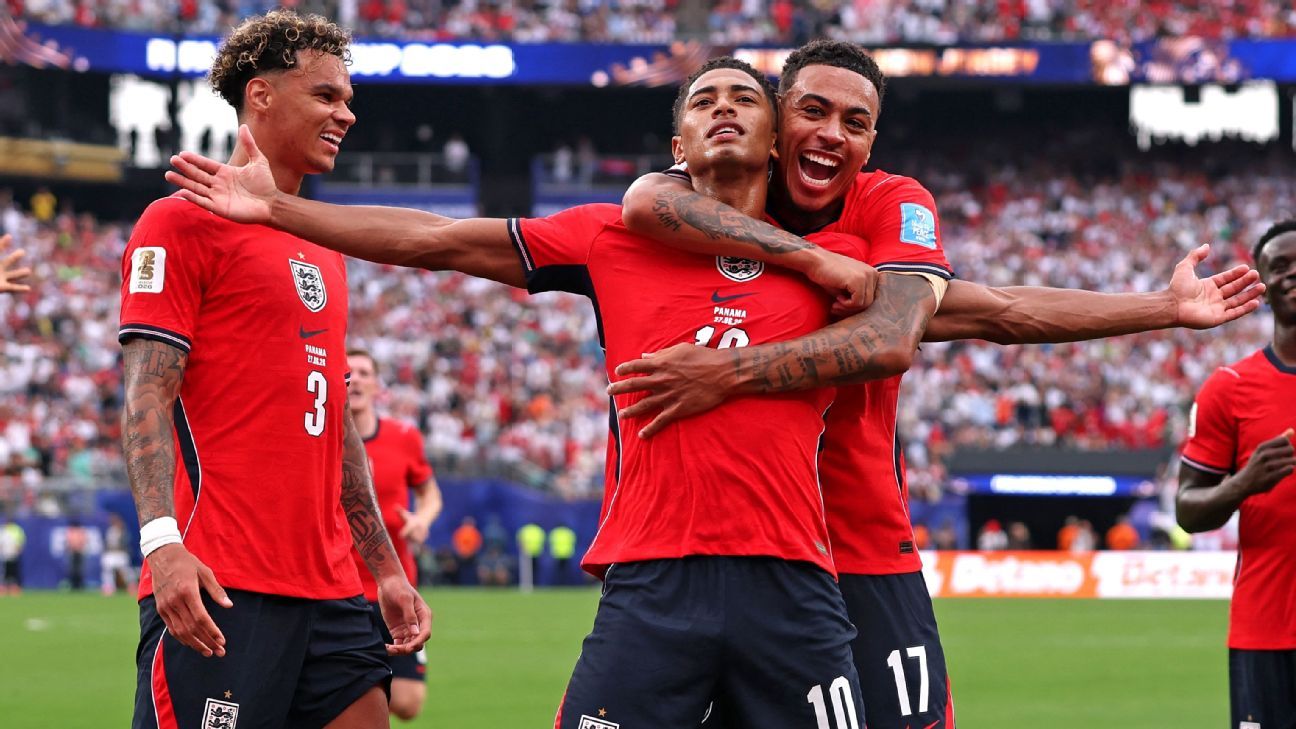
A 2-0 victory over Panama secured top spot in Group L, which on paper reads exactly as it should for a nation that carries the weight of decades of football mythology into every tournament. But the manner of the win, particularly a first half that offered precious little in the way of genuine attacking threat, will have done nothing to silence the growing chorus of concern among supporters who were hoping to see signs of a team ready to go deep in this World Cup.
For the South Asian diaspora watching from living rooms in Birmingham, Lahore, Sydney, Toronto and beyond, England games carry a particular kind of emotional theatre. There is always a generation of fans, whether first or second or third, who have inherited the Three Lions as their team through migration and culture. They carry that hope across time zones and through awkward family debates about who actually deserves their support. A flat first half performance against Panama is not going to settle those debates in England’s favour.
The tournament context matters here. Topping the group is genuinely important. It shapes the bracket, it can mean a more favourable path through the knockout rounds, and there is always a certain psychological value in a team knowing they finished first rather than having to scramble through on goal difference. England did that. Credit where it is due. But the World Cup at this stage is still a long road, and teams that grind through group games without finding rhythm often find that rhythm becomes impossible to locate once the knockout stakes arrive and opposition quality sharpens dramatically.
What makes this story worth watching is the gap between expectation and execution. England arrive at every major tournament as one of the tournament’s talked-about sides, backed by a fanbase that is as passionate as any in the world and a media ecosystem that treats every group stage match like a civilisational event. When the football then looks hesitant, when clear chances are absent for long stretches, that gap between narrative and reality becomes the real story. Panama are not the measure of England’s ceiling. The knockout rounds will be.
There is also the question of whether this kind of unconvincing group stage form is simply England being England, the team that muddles through before finding something extra when it truly counts, or whether it is a warning sign that the squad has not yet found its collective voice in this competition. Tournament football has a way of exposing what is real and what is reputation.
So as England move forward into the knockout rounds, the question every fan is quietly asking is the same one they have been asking for years: is this the tournament where England finally deliver a performance that matches the belief, or will it end the way it so often does, with a valiant exit and a postmortem that echoes down the years? What do you think, is England’s flat start cause for concern or just part of the process?