FIFA World Cup 2026: Why the World Is Already Watching
FilmiTalk Take
FIFA World Cup 2026 is not just the biggest tournament in football history by size — it is a cultural moment that will resonate across diaspora communities worldwide long after the final whistle blows.
Some tournaments arrive quietly and leave loudly. FIFA World Cup 2026 is doing neither — it is arriving with the volume already turned all the way up, and the global football community is here for every second of it.
For the first time in history, the World Cup is being hosted across three nations simultaneously — the United States, Canada, and Mexico. That alone makes this edition unlike anything football has seen before. Forty-eight teams, three host countries, and a fanbase that spans every continent. The sheer scale of it is almost hard to process, and yet here we are, watching it unfold in real time.
For South Asian football fans — whether you are watching from the streets of Karachi, the living rooms of Birmingham, the apartments of Toronto, or the sports bars of Melbourne — this World Cup feels different. The expanded format means more matches, more underdogs with a genuine shot, and more moments that can make a nation stop breathing for ninety minutes. Football has always had a way of uniting diaspora communities across borders, and 2026 is set to deliver that feeling on an unprecedented scale.
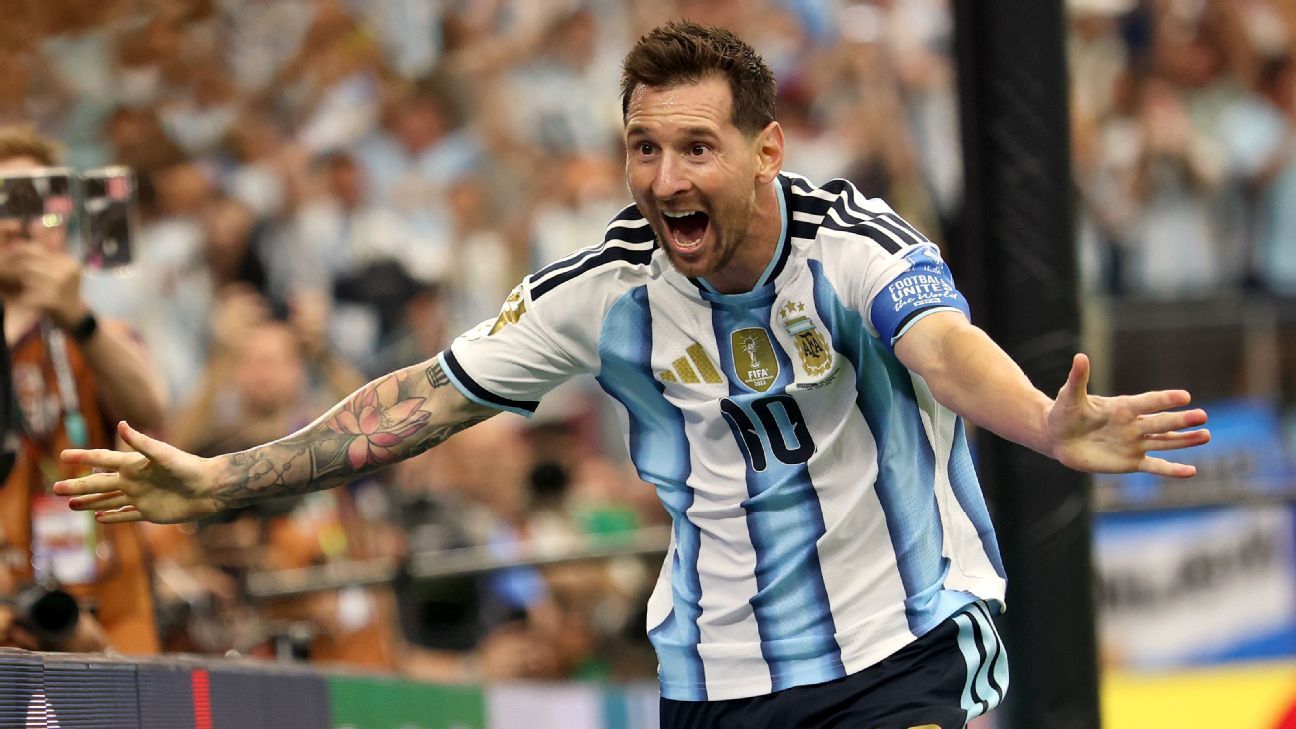
The cultural footprint of this tournament is already enormous. In South Asian communities across the world, World Cup season is not just a sporting event — it is a social ritual. Jerseys are bought. Group chats go into overdrive. Allegiances are declared loudly and defended even louder. Whether your household bleeds the blue of Argentina, the red of England, the green of Saudi Arabia, or the yellow of Brazil, the World Cup has a unique way of making football personal even for people who rarely watch club football the rest of the year.
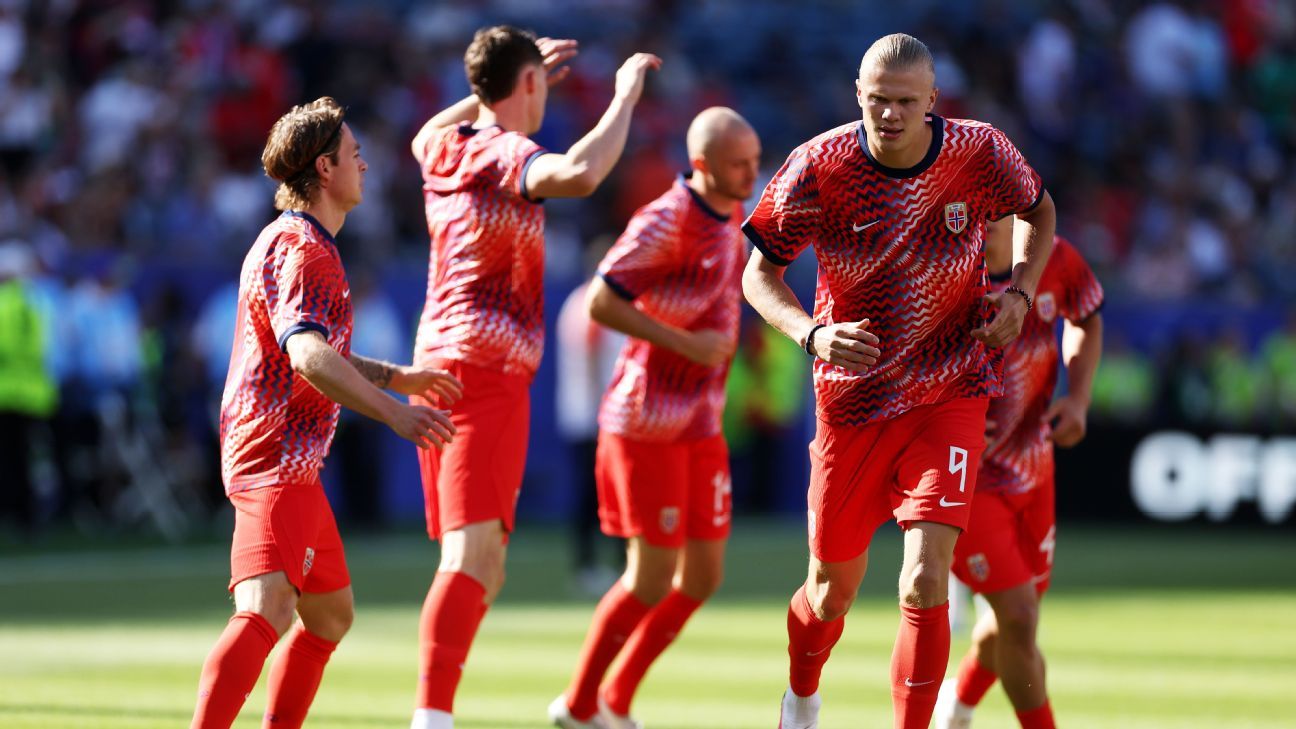
What makes 2026 especially compelling is the sense of transition at the top of the game. The era of certain legends is winding down, and a new generation is pushing hard to define what world football looks like next. Every match at this tournament carries the weight of that shift. Fans are not just watching games — they are watching history being written, and they know it.
The host cities across North America are also adding a layer of spectacle that goes beyond the pitch. From New York to Los Angeles, from Vancouver to Mexico City, the tournament is landing in cities with enormous South Asian, Latin, African, and European diaspora populations. The streets around these stadiums will be as culturally rich as the football itself, and that energy always finds its way back to fans watching thousands of miles away on their screens.
FilmiTalk usually lives in the world of cinema, music, and celebrity drama — but football, at its biggest moments, is all of those things rolled into one. A World Cup final is a blockbuster. A stunning upset is plot twist cinema. A penalty shootout is pure psychological theatre. And 2026 is already delivering the kind of storylines that will be talked about for decades.
So here is the question worth asking as the tournament takes shape: which moment from World Cup 2026 do you think will still be talked about ten years from now — and whose name will be attached to it?