Supergirl Gets the Scissors: What CBFC Cut Before Release
FilmiTalk Take
The CBFC's audio cuts to Supergirl highlight an ongoing tension between creative intent and Indian certification norms — particularly when the film is already rated for older teens. Blanket language removal in a 16+ film raises fair questions about whether the board's guidelines have kept pace with audience expectations.
Every time a big Hollywood film lands in India, there is always that quiet moment of curiosity — what did the CBFC decide to snip this time? With Supergirl hitting Indian screens, that conversation is front and centre again, and the cuts are raising eyebrows among fans who had already caught a glimpse of the film’s rawer dialogue at a special preview screening in Mumbai.
The Central Board of Film Certification passed Supergirl with a U/A 16+ certificate, which already signals that the content sits in that awkward zone between family-friendly and adult territory. But to earn even that rating, the film had to go through a round of audio surgery. Words like ‘screwed’, ‘b***h’, ‘balls’, and ‘wh**e’ were all either muted or deleted from the final cut. On top of that, a middle finger visual was removed entirely. These are the kinds of edits that, in isolation, sound minor — but for fans who showed up to that exclusive thirty-minute preview in Mumbai and heard the uncensored version, the contrast is going to be noticeable.
What makes this particularly interesting is the context around one of those muted words. The word ‘wh**e’ apparently appears in a comical exchange between the lead characters — not in an aggressive or degrading scene, but played for laughs. That distinction matters. The CBFC’s approach tends to treat language as broadly offensive regardless of intent or tone, which is a conversation Indian film audiences have been having for years. Comedy that relies on crude language is hardly new territory for Hollywood, and yet the board consistently draws a firm line.
For South Asian audiences in the diaspora — whether in Australia, the UK, or Canada — this kind of censorship often feels like a cultural curiosity from the outside looking in. Many of them will stream the uncut version eventually, making the theatrical cuts feel almost ceremonial. But for audiences watching in Indian multiplexes, this is simply the reality of cinema in the country, a norm that has become so routine that most viewers barely blink at it anymore.
The showcasing struggle is also worth noting here. Supergirl reportedly faced difficulty securing enough multiplex screens due to Welcome To The Jungle dominating the Hindi film showcase that same week. It is a familiar story — Hollywood blockbusters, even those with massive IP behind them, have had to fight for screen space against local productions in India. The market dynamic has shifted significantly over the past decade, and a DC film no longer automatically commands the kind of priority it once did.
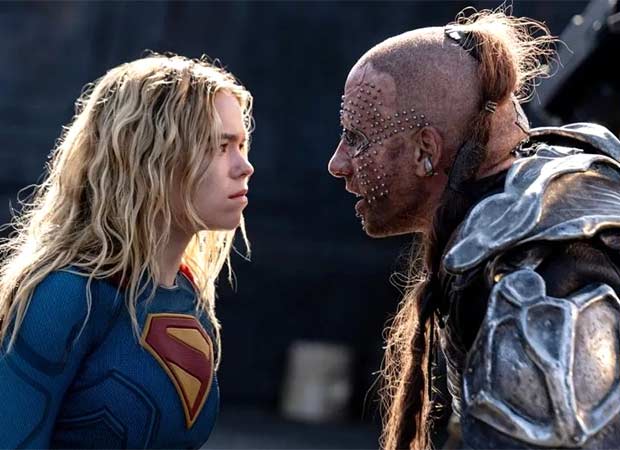
Milly Alcock stepping into the Supergirl role has generated genuine excitement globally, and Jason Momoa’s presence adds familiar franchise energy for audiences already invested in the DC universe. The Mumbai fan screening reportedly drew enthusiastic reactions, which suggests that once people actually see the film, word of mouth could work in its favour regardless of the screen count battles.
The real question here is one that keeps coming up every awards season, every blockbuster release, every OTT premiere — does censoring language in a U/A 16+ film actually protect younger audiences, or does it simply create a version of a film that no longer fully represents the creative intent behind it? What do you think — should the CBFC reconsider how it handles language in films already certified for mature audiences?