What the Türkiye Test Reveals About USMNT’s True Level
FilmiTalk Take
This match is less about the result and more about what it tells us — a rotated USMNT against a quality Türkiye side is the clearest window yet into whether America's squad has genuine tournament depth or is relying on its best eleven to carry every burden.
There is something uniquely revealing about a final group stage match when qualification is already settled — because that is precisely when the mask comes off.
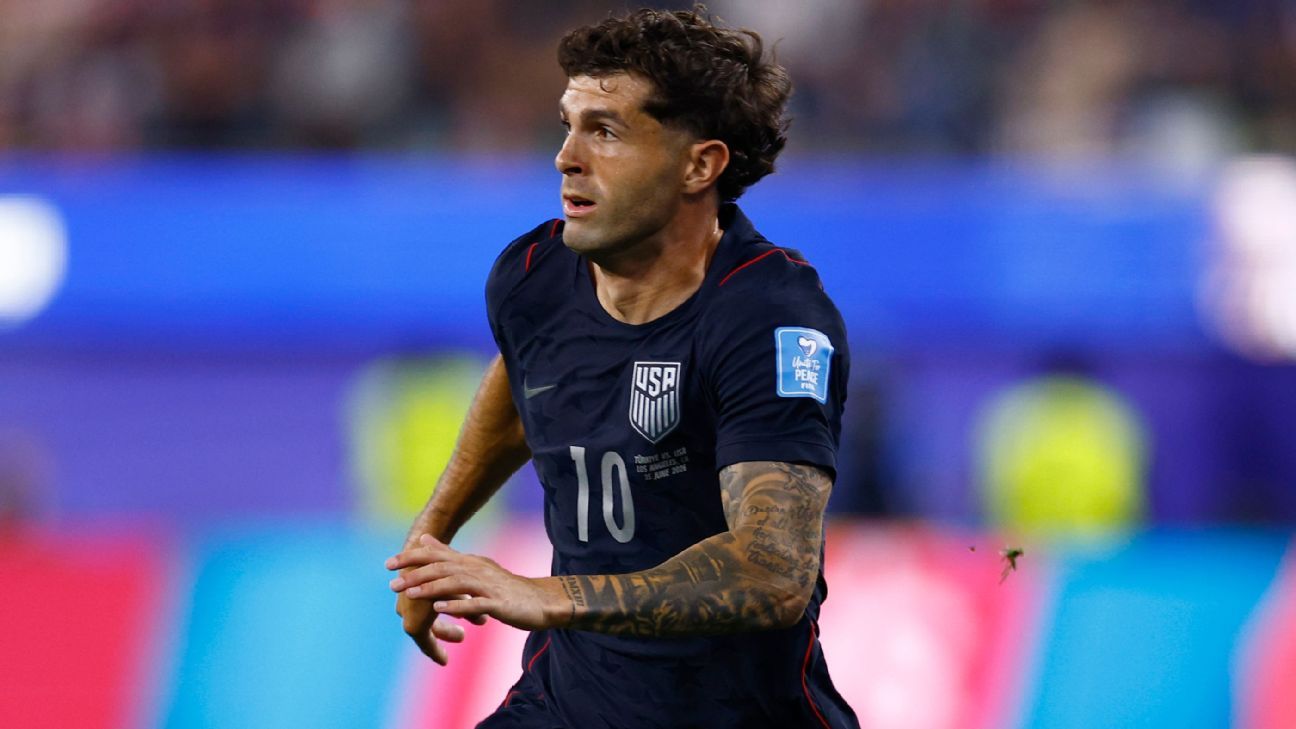
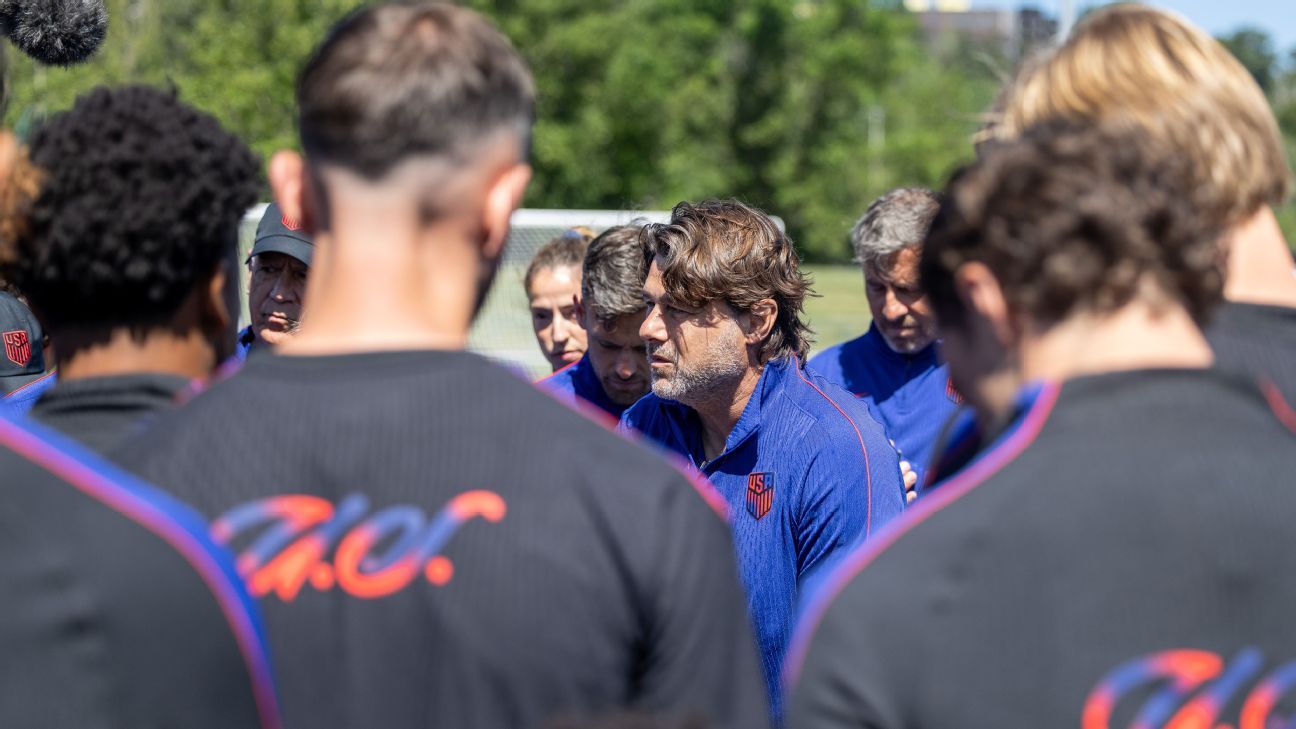
The USMNT heading into their Group D closer against Türkiye with rotation on the cards tells you everything about where the coaching staff’s head is at. Rest the starters, manage the minutes, protect your best legs for what comes next. It is a sensible enough approach, but Türkiye are not the kind of side that will politely cooperate with your squad management plans. This is a team built on intensity, physical organisation and the kind of pressing that does not care whether you are a first-choice starter or a fringe player getting a rare run-out.
For the USMNT, that is actually the point. A rotated American side going up against a Türkiye team with genuine tournament quality is essentially a stress test in real time. Can the depth of the squad hold a line? Can the players on the periphery of the squad contribute meaningfully when it matters? These are the questions that knockout football always asks, and you would rather find out the answers now than in the round of sixteen with everything on the line.
For South Asian football fans watching from Sydney to Birmingham, Toronto to Karachi, the USMNT’s journey at this World Cup has been one of the more intriguing subplots. The United States, as co-hosts of the 2026 tournament, carry enormous expectation from a domestic audience that is still warming to football as its primary sport. But global audiences have been watching with curiosity rather than loyalty — measuring whether this American generation can genuinely compete or whether home advantage is doing the heavy lifting. A performance against a tactically serious Türkiye side, even with a rotated lineup, could shift that perception.
Türkiye themselves deserve more credit than they sometimes receive in global football conversations. Their style is not spectacular in the way that Brazil or Spain can be, but they are organised, competitive and capable of hurting teams that switch off. They are exactly the kind of mid-tier quality opponent that separates tournament pretenders from genuine contenders — which is why this match carries more diagnostic value than the scoreline alone will suggest.
The fan culture angle here is worth noting too. American soccer supporters — the ones travelling in those distinctive red, white and blue scarves, filling social media with breathless optimism — will be watching this rotation experiment with a mixture of excitement and anxiety. There is always a specific kind of nervous energy around seeing your squad’s second string tested, because it either confirms that your depth is real or quietly signals that your first eleven has been carrying more weight than anyone wants to admit.
For a World Cup being played on home soil, the USMNT cannot afford to discover those answers late. Türkiye will come with their own motivations, their own pride and their own point to prove on a global stage. That combination makes this group finale far more meaningful than a dead rubber should feel.
So here is the question worth sitting with: if the USMNT’s rotated squad struggles to control this match against Türkiye, does that change how you see their knockout round prospects — or is squad depth always a gamble worth taking?